

Your shopping cart is currently empty.
Free EmbroideryClick Here
FREE shipping on orders over $249*

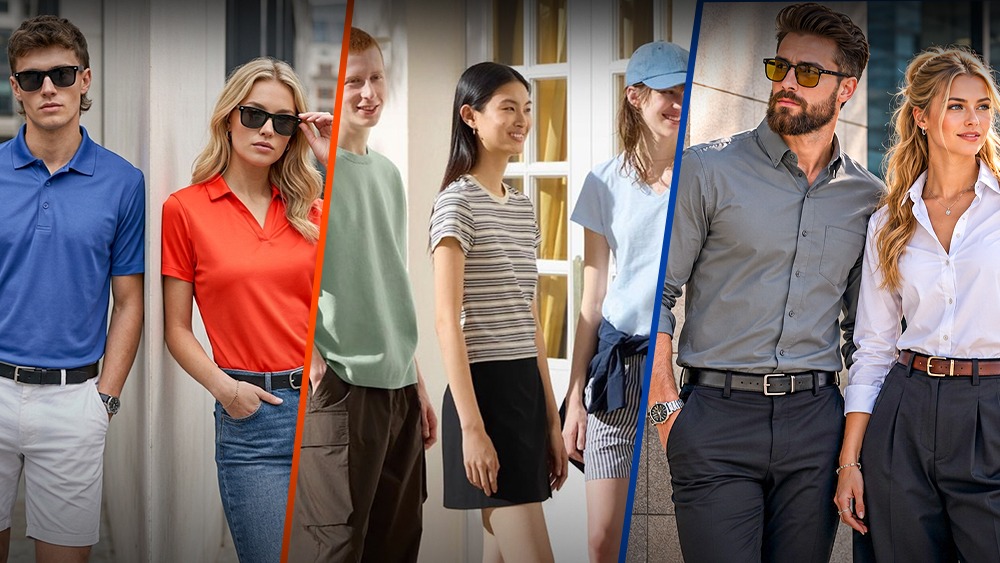
To be a leader in apparel trends is the easiest way to increase your business, and keep your profit margin intact. Once people have the basics of the perks down pat, the most successful distributors are those who are making an investment in premium fabrics as well as universally popular cuts that are lovable by clients. This review highlights the best wholesale fashion styles 2026 brings to the industry, helping you capture steady demand throughout the UK & USA Markets in 2026.
The trade of fashion is more interwoven than ever between those two great fashion centers, and more distinct. Because customs, shipping, and different seasons impacted by trade and commerce have to be planned for, one needs to have a strategy, which will bring huge returns to the B2B buyer that plans well.
Trade conditions and regimes change but the demand for high quality bulk apparel continuously increases. Fewer consumers aren't going to buy disposables anymore; they're interested in buying garments that they can wear over and over and wash. As a result, B2B buyers want to make sure of reliable inventory set-ups that combine value and quality of build. Both are dependent on reliable supply chains and top-tier blanks are the foundation of effective retail success in both.
Give it a quick scroll: How to Start a Clothing Line in 2026: From Fabric Sourcing to First 100 Orders
Now is the golden opportunity for at-home brands and decorators to take advantage of today's market. Ecommerce has made it more simple than ever to initiate a brand-new line of products under another name, resulting in a huge rise in demand for blank canvas products. The bottom line: If your company specialises in the personalisation of products, it is vital to have a supplier who is aware of rapid satisfaction. Leading wholesale suppliers such as VeeTrends have risen up to meet this demand throughout the USA, and have also turned into a top destination for blank clothes including the best Plus Women Clothing and Big & Tall Clothing!
Fabric Construction: Heavyweight cottons and durability polyester options are always given greater consideration than flimsy and low-priced fabrics that would collapse the first time they are washed.
Size Inclusivity: Support comes already built into the product line and is designed to naturally serve all these bodies to ensure maximum customer satisfaction.
Decorating Capability: Higher quality capabilities of smooth surfaces to take plastic soles without puckering, or taking prints and embedding in thickenvious embroidery.
Don’t miss this: Why Oversized Clothing Is Trending in USA Fashion (2026 Style Guide)
It's time to say goodbye to affordable one-off clothing for good. Retailers used to depend on these ultra fast fashion wholesalers, but their return rates are on the rise and customers are out of their loyalty bag. Top dollar is going for premium blanks.
Modern buyers of clothes are expecting their future garments to last. The fashion approach of “quiet luxury” and simple minimalism has seeped into regular streetwear as well as casual wear collections. Retailers need to source these garments with the correct side seams, ribbing and knit counts which consumers are willing to pay more for because it retains the shape well.
Blank clothing is no longer viewed as just an undershirt or loungewear. High-end blanks serve as the foundation for premium streetwear lines, corporate merchandise, and event apparel. Retailers are realizing that buying top-shelf blank Wholesale T-Shirts allows them to charge premium retail prices once their custom branding or graphics are applied. This flexibility minimizes the risk of carrying deadstock since a high-quality blank can be adapted to any design trend at a moment's notice.
Take note of: Gen Z Fashion Trends 2026: The End of Trends & Rise of Personal Style
Environmental responsibility has moved from a marketing buzzword to a strict regulatory and consumer standard. New ecodesign regulations make it incredibly costly for large corporations to dispose of unsold goods, which has created a massive ripple effect in how inventory is ordered. Wholesalers and retailers alike are opting for smaller, more deliberate initial bulk runs, relying on screen-printing-services alongside highly efficient domestic supply lines to restock top-performing items on demand.

While both markets share a love for modern casualwear, treating the US and UK as a single demographic is a recipe for slow-moving inventory. Success requires decoding what makes each market tick.
The differences in apparel buying habits between the two regions are heavily dictated by lifestyle, climate variations, and cultural aesthetics. In the U.S. market, volume and relaxed cuts are common considerations along with extreme structural durability. In contrast, the UK market tends to gravitate towards cleaner lines, weather-appropriateness in layering choices, and a general emphasis on ensuring the sustainability is for the entire production.
Boxy, chunky, and definitely laid back is the prevailing shape in the wholesale fashion styles 2026 in the United States. Streetwear has completely taken over the casuals industry. This has led to a huge increase in the demand for very heavy weight fabrics which have a deliberate, purposeful shape on the body, instead of free-drapes. This is a focus on rugged American looks that stand up to lots of use.
In fact the heavy emphasis on the module in the UK market, and across the Atlantic. Top fashion choices for bulk buyers include items made from lightweight knit fabrics, great quality mid-weight basics, and transitional jackets because of how easily they are able to be layered because they're made of lightweight knit fabric. Additionally, retailers have consumers look for transparent supply chains and traceable organic fabrics as European compliance and sustainability certifications have enormous influence.
Effortless Movement: The consumer need is for comfortable, casual ‘visor' fits that offer a link between ‘lounge-at-home' and ‘public-ready'.
Surface Finishes: Fabric mills are making softer garment washes and combed yarns to keep itchiness and irritation to a minimum.
All-Weather Adaptability: Wardrobes are becoming more of an all-weather style to cover a variety of occasions.
To build a highly profitable inventory system, you need to understand the specific product categories driving bulk volumes this year. Let’s break down the foundational pillars of the current wholesale industry.
While the classic T-shirt has been the queen of the wholesale market, the basic fundamentals, rather, have come a long way. Don't use light, translucent fabrics – go for thicker rivet cotton.
One of the biggest wholesale fashion changes of the year is the move towards 240gsm (grams per square metre) fabrics. No longer is it simply ordering two sizes up with a basic garment design – it's an entirely different and intentional type of oversized shirt. These suits have drop shoulders, wider chests, and were slightly shorter to not look sloppy. The high fabric weight guarantees that the shirt won't cling to the body and will produce a crystal clear, structural figure that independent fashion brands make use of.
For print production, the quality of yarns selection will explain the quality level of print-sourced blanks. Typically, the linen fibre is either open end, cotton for a slightly rougher finish that lends a high structure and rigidity to the cloth, or combed ringspun, where the fibre is combed to remove impurities, and the result is a very smooth surface, ideal for high-quality sell-out brands.
Much of the current investment focus is on the characteristics of pigment-dyed and garment-dyed products for the ability to maximize turn rate. These processes ensure that the Shirts appear soft, lived-in, and offer a timeless vintage color range, directly attracting younger generations. Leading brands such as Gildan and Jerzees remain big volume sellers in this segment, providing good workhorse products that have developers' confidence with predictable shrinkage and ink coverage.
You might want to read this: Top 15 Best-Selling T-Shirts of the USA: Trending Fashion
Eco-friendly clothes is currently not some luxurious niche any longer, however, it has become an absolute must for today's retail business.
Over the last two years, consumer appetite for information about fabric origins has grown more than ever before at times of retail consumption. Bulk purchases with Global Organic Textile Standard (GOTS) certified cotton and Global Recycled Standard (GRS) polyester are selling through at premium prices. The change has made blank suppliers re-engineer their basic catalogs with recycled fiber blends that preserve the premium hand-feel option without giving away its synthetic feel.
See exciting comparison: Cotton VS Dri-Fit: Choosing the Right Fabric For Your Active Lifestyle
Consumers are increasingly shopping their shopping lists, calling for transparency from all brands that they purchase. As retailers will not be able to demonstrate that their garments are practically ethically sourced, this will leave them susceptible to swash-buckling, clear and concise rivals. Consumers directly influence the supply chain and it is the wholesale purchaser who insists on compliance documentation from key manufacturing partners.
Top-scoring lines in the eco-friendly area are ordinary comfortable classics. Organic Cotton & Recycled Polyester Blend Fleece Sweatshirts and Fleece Hoodies are really showing their true worth as Wholesale Sweatshirts & Hoodies. The higher retail price may be available for these items due to the consumer benefit of associating a higher fleece weight with longer turnover life that makes them well-inline to premium green/environmental retail pricing.
The athleisure trend has made a significant shift from the gym into the modern uniform for remote working, travel, and casual socializing.
Performance fabrics are really savvy today. The cotton activewear of today comes in a range of new synthetic and hybrid yarns which wick away moisture from your skin, and have anti-microbial properties that help fend off odor. This indicates that a single piece of apparel can be utilized for vigorous workouts and when running errands for an extended length of time and period.It means that one piece of clothing can be used to the extreme for strenuous exercise and for all day running errands without disturbing the wardrobe or the fabric's general appearance.
Overall, there's massive growth happening in hybrid clothing, technically useful and yet still casual from a business point of view. Quarter-zippers knit into micro-fleece and comfortable performance hoods are commonplace wear among today's professionals. Retailers are also combining these with lightweight, water-resistant Technical Jackets & Vests with water-resistant coatings for an extra layer of protection in transitional seasons to make highly functional, modular outfits.
Explore more: 10 Best Sweatshirts and Hoodies Brands in the USA
The rapid growth of this category boils down to pure versatility. Consumers demand fewer restrictions from their clothing. Items like tech-fleece Shorts and structured Pants & Bottoms allow for a full range of movement while maintaining a clean, tailored appearance. This cross-context utility ensures that athleisure remains an incredibly safe and highly profitable investment for bulk buyers.
Consumer oblivious trends and fashion changes every minute of the day while the CI sector consistently delivers year round wholesale volume.
Heavy-duty engineering is needed for commercial workwear. Heavy canvas garments with reinforced double-stitching are used in the garments made for industries like construction, warehousing and field services as a result of their high level of rip resistance.Garments developed from ripstop fabrics, tough canvas, and reinforced double-stitching have high rip resistance and are used by industries like construction, warehousing, and field services. The Hi-Visibility Clothing referenced to meet regional safety regulation is a no-brainer for businesses wanting to be in compliance and it provides a pure, steady flow of appropriate purchase orders – no matter what the economy does next.
This is essential in any corporate environment and when working for a customer service or hospitality business looking for the image of a professional team that can look professional and act professional that can't be compromised. Companies seek to obtain good quality Wholesale Polo Shirts and fresh woven Shirts which function as a clean background simply for their logo design. These blanks are typically converted into the high-quality, long-lasting brand logos and corporate logos, via premium Embroidery-services, which serve to outlast the average print uses.
Onboard Training Refreshers: Regular staff turnover forces logistics and corporate operations to purchase identical garment colors and cuts year-round.
Compliance Regulations: Safety mandates require industrial fields to retire and replace safety gear on strict operational schedules.
Consistent Brand Presentation: Hospitality and retail sectors buy deep stocks of core uniform blanks to maintain visual identity across multiple corporate locations.
Decorating a garment is just as much a science as it is an art. The final product depends entirely on how the underlying fabric structure reacts to high temperatures, heavy needles, or fluid inks. Choosing the wrong blank means risking distorted graphics and wasted stock.
The surface to be printed should be extremely smooth and crumble-free in order to create nice sharp, retail-quality DTG prints. Here, ring spun cotton blanks in tight weave take the gold standard. Once this ink is ejected as it leaves the printer it must deliver a nice sense of fullness and should not absorb unevenly into free fibers. Bright, vibrant colors with fine detail in the design will keep looking plenty for dozens of washouts when printed on high quality Shirts that have been targeted in high stitch densities and stocked on a regular basis by digital printing brands.
Important insights: Top 10 Trending T-Shirt Colors for 2026 in the USA
Heavy embroidery designs put a lot of structural stress on a garment, pulling the fabric fibers toward the center of the design. If the material is too thin or stretchy, you end up with puckering around the edges. Heavyweight fleece, structured canvas, and thick piques are ideal for handling dense stitch counts. Retailers who offer premium corporate wear often opt for rugged Jackets & Vests from brands like Port Authority because their dense outer shells provide an incredibly stable foundation that prevents shifting during production.
Give it a quick look: Puff Embroidery on Trucker Hats: Complete Guide for Custom Hat Businesses (2026)
Sublimation requires 100% polyester or high-polyester blends because the process relies on heat to turn ink into a gas that bonds directly with synthetic fibers. Sourcing these specialized items is essential for teams and activewear lines. For warm-weather drops, custom brands rely heavily on performance Shorts and jerseys engineered specifically to handle all-over sublimation printing without losing their moisture-winning properties or structural integrity.
Structural Integrity: Heavyweight garments offer that sought-after structure that keeps streetwear silhouettes looking boxy and intentional.
Shape Retention: Adding high-grade combed cotton blends ensures that everyday items like athletic socks maintain their shape and elasticity over time.
Friction Resistance: Tight yarn weaves reduce the surface friction that typically causes pilling or thinning after multiple laundry cycles.
A successful retail operation isn't just about selling great designs; it’s about smart sourcing. Navigating the backend logistics of wholesale purchasing of brands like Port & Company and Champion is what keeps a business profitable through changing economic seasons.
The secret to thriving in a competitive market is unlocking the lowest possible price per unit. Wholesale suppliers structure their businesses to reward high-volume buyers, meaning your margins grow exponentially as your order sizes scale. Smart retailers pool their buying power to cross into higher discount brackets. By securing these deeper price cuts on foundational inventory, businesses can comfortably cover the costs of their professional customization-services while keeping retail prices attractive to the end consumer.
Managing inventory across different regions requires meticulous planning and a deep understanding of seasonal shifts. While the UK might be preparing for cool, damp weather, parts of the US might still be experiencing peak summer conditions. Relying on suppliers that offer lightning-fast domestic fulfillment helps buffer these geographical gaps. In the United States, VeeTrends serves as a vital logistics partner, giving businesses a reliable way to restock bags and headwear without waiting weeks for overseas freight.
Every apparel brand needs a dual-track inventory strategy. Your core basics provide steady, predictable revenue year-round, while seasonal trends create quick spikes in engagement. For example, stocking standard school colors for School Uniforms and Accessories ensures steady sales during the late summer months. Balancing this steady volume with limited-edition streetwear drops keeps your cash flow predictable while maintaining your brand’s relevance.
Check this out: Beyond the Logo: How to Scale Brand Visibility Using Bulk Custom Clothing
Sacrificing Quality Baseline: Buying cheap unbranded blanks from unverified sources often results in mismatched sizing, uneven dye lots, and loose threads.
Overlooking Catalog Balance: Failing to diversify product types can leave you exposed when market demands suddenly shift.
Ignoring Consumer Niches: Neglecting to stock specialized wardrobe essentials, such as comfortable foundational Intimates, cuts off easy avenues for add-on retail sales.
Sourcing the right inventory is the ultimate foundation of apparel success. Staying ahead of changing consumer preferences means ditching flimsy, fast-fashion alternatives and investing heavily in high-grade, durable blanks that serve as a perfect canvas for your branding. Aligning your business with the top wholesale fashion styles 2026 demands will ensure your retail shelves stay packed with products your customers love.
Oversized silhouettes, ultra-heavyweight fabrics over 240 GSM, dropped shoulder seams, and earth-toned garment-dyed tees are completely dominating the streetwear market right now.
US wholesale sizes generally run slightly larger and offer a more relaxed, roomy fit compared to slimmer, more tailored UK cuts.
Heavyweight shirts crafted from combed ringspun cotton or dense pique fabrics provide the absolute best stability for detailed, high-density custom embroidery designs.
MOQs vary wildly by supplier, but many top distributors now offer flexible, zero-minimum ordering tiers specifically to support growing retail brands.
Look for suppliers with transparent supply chains, consistent fabric dye lots, domestic shipping hubs, and a diverse selection of recognized retail brands.