

Your shopping cart is currently empty.
Free EmbroideryClick Here
FREE shipping on orders over $249*

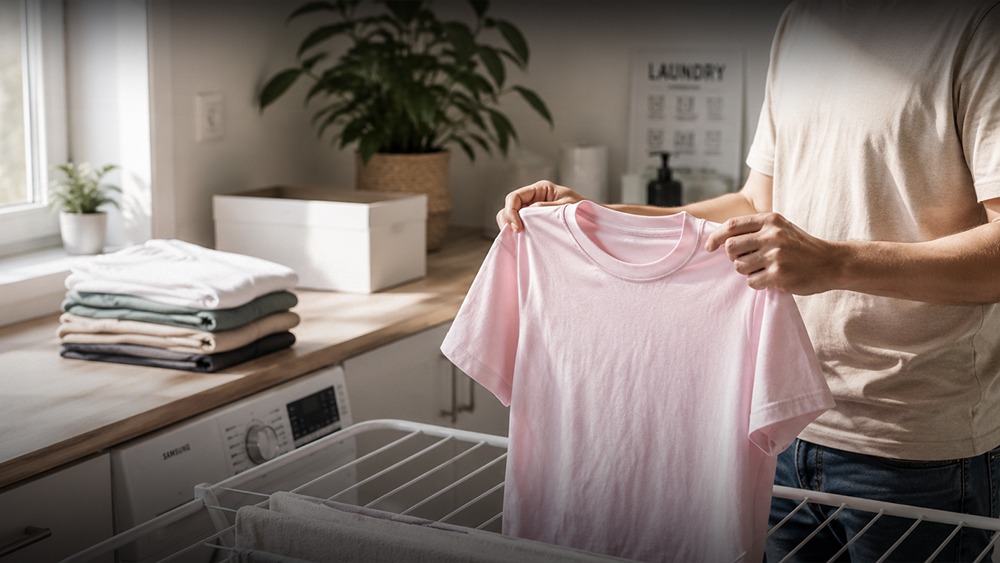
It may seem that it is hard to find a shirt so suitable, and it is especially so with Cotton Jersey T-Shirts, which react to heat and moisture. When your tee is excessively loose, you can achieve a fit with some at-home techniques. We offer high-quality wholesale tees and reputable brands at VeeTrends to enable you to look sharp, neat and tailored without causing a lot of hassle.
The other thing that is of great importance that you should get to know before beginning to use heat on your clothes is the material that you are dealing with. Cotton is a complicated natural fiber whose physical characteristics vary in response to temperature and moisture.
Cotton jersey is not a woven textile such as the non-slippery one that dress shirts or denim jeans are made of. Instead, it is a knit fabric. This implies that it is woven in a continuous row of interlocked loops of yarn. It is this particular structure that is known for its stretch and soft hand-feel of the fabric. Being breathable and an all-day wear, it is the most popular one when it comes to Wholesale T-Shirts. It has a great deal of open space in the fabric, however, due to these loops. When the fibers are agitated by water and heat, those loops can pull closer together, which is the mechanical cause of a garment becoming smaller.
The reason cotton shrinks is based on a concept called "relaxation shrinkage." When cotton fibers are processed into yarn and eventually into a finished shirt, they are under a massive amount of tension from industrial machines. Their hands are strained to the farthest in the knitting and sewing activity. Every time you launder a shirt in hot water you are supplying the power that those fibers that are stressed actually need to relax. They are naturally inclined to get back to their original and short form. Imagine the fibers to be a spring that has been stretched; heat is what enables the spring to spring back to its carefree form.
The process of shrinkage consists of two stages: moisture and thermal energy. Moisture is a lubricant that gets into the heart of the cotton fiber, making them flexible. After the fibers are moist, heat in your washer or dryer is used to give such kinetic energy that allows the fibers to move and reorganize. The hot dryer causes the water to evaporate, pushing the fibers into a rather tighter and compact structure. The warmer you make them, the greater the energy of the fibers used must be, and generally the greater the extent of change in the overall size of the garment produced.
Check this out: Top 10 Different Types Of Henley T-Shirt Outfits Style Guide
A tight fit can certainly be obtained at home and not at the cost of your clothes so long as you organize a guided procedure. It is like being a scientist in your laundry room.
A good cotton fabric will ultimately shrink by 5-10 percent of its original size on average. Although that may not be a big figure, clothing wise, it is a big one. A 10% reduction in size can easily take a shirt from an Extra-Large down to a Large, or significantly slim down the waist of Big & Tall Clothing. It is important to note that shirts usually shrink more in length than they do in width because of the direction the fibers are pulled during manufacturing.
Your most important bit of information is the amount of fiber on the care label. A full of 100 percent cotton is very sensitive and will shrink the most. But, due to the growth of the modern shirt, a lot of them are blends, cotton mixed with a synthetic fabric, polyester or spandex. Polyeyster is a man-made polymer, which is actually a form of plastic. There is no such thing as a natural relaxed position of plastic similar to that of cotton; it is molded when it is made. Thus, a 50/50 mixture will become smaller relatively compared to a pure cotton shirt. When using blends, you will have to be a lot more demanding of your heat settings so that you notice any difference.
Brand names, such as Gildan or Next Level, will frequently come with the pre-shrunk printed on the product description. This implies that the manufacturer has already subjected the fabric to the process of shrinking, and the shirt was even sewn. Such shirts are beautiful since they provide a more stable fit once you purchase them. Nevertheless, they are not absolutely resistant to additional shrinking. Even a pre-shrunk shirt may shrink a bit more with the excessive heat of boiling water soak or high-heat dryer cycle.
Training is the determinant of achieving professional results. You need not spend any money on equipment, but you must have your tools at the ready.
Most standard adjustments demand a quality washing machine as your aid. It enables you to choose certain temperatures, and it offers a stable environment. It is perfect in the case of Wholesale Polo Shirts or simple tees that merely require a slight tightening of the knot. Conversely, the boiling technique is in the extreme cases. When a shirt is two sizes bigger, the temperature of the boiling water of 212 degrees C will give the highest margin of fiber relaxation that can be allowed.
The real work is done in dryer but first the fibers are prepared during the wash cycle. The combination of the fibers in a hot dryer is made through the mechanical process of tumbling; the fibers are pushed so that the shrinkage will occur throughout the entire shirt. A steam iron is a mandatory item, in case you want to make a more accurate adjustment. It enables you to concentrate heat over a particular region to either the collar, hem, or the cuffs without touching the rest of the garment.
Protect Your Skin: Have long-handled tongs or heavy-duty gloves to use when you have to touch objects on boiling water to prevent burns.
Color Fastness: Check a small, unnoticed spot of a shirt by applying hot water, to guarantee that the dye will not bleed, particularly vivid hues and darker colors.
Invert the Garment: Before shrinking, always invert your Cotton Jersey T-Shirts. This keeps the colors appearing bright and prevents the friction of the outer part of the fabric.
Monitor the Clock: The process of shrinking is time-consuming. Using a timer will help avoid over processing the cloth and turning it into either too small or too hard.
Take note of: Top 10 Trending T-Shirt Colors for 2026 in the USA
Home users can most certainly trust this to be the surest way of laundering since it resembles a natural laundering although it is more intense.
Put your Cotton Jersey T-Shirts into the washing machine.
Choose the hottest water option, typically referred to as either Whites or Sanitize.
When there is only a shrink objective, do not use a detergent, because the chemicals are unnecessary to relax fiber.
After a wash, the wet shirt can be transferred straight to the dryer.
Select the highest (or heavy) dryer cycle.
The water must not be below 140 degrees Fahrenheit since otherwise it could not penetrate to the top of the cotton fibers. The fact that a washing machine runs on a long agitation cycle is good as the fibers are kept in motion when hot. This motion assists in removing any leftover factory finishes that may be keeping the fibers in the elongated position.
After the shirt is in the dryer, the dryer is used for evaporation to remove the moist content in the swollen fibers. When the moisture evaporates the fibers draw away. The tumbling effect is essential in this case; this effect helps to ensure that the shirt does not shrink in a deformed manner. This technique is especially helpful with Plus Women Clothing, as you may desire the fabric to shrink down to a more fitting and flattering size.
The amount of control that is provided by the dryer approach can be listed as one of the best things about it. In case you need a smaller adjustment, put the shirt into the check after 15 minutes. When it gets to the required size, remove it and leave it a bit damp to be air-dried. To achieve the greatest amount of shrinkage, it is advisable to allow the cycle to complete then leave the shirt in the warm dryer 10 minutes beyond the buzzing sound.
The boiling water method is the most potent among the various methods in your arsenal when you require a drastic change in size.
Add enough water in a large stainless steel or enamel pot to completely cover the shirt.
Boil the water on the stove.
When you start boiling, switch the heating element off to avoid the shirt being in contact with a red-hot pot bottom.
With a wooden spoon, carefully place the Cotton Jersey T-Shirts into the water.
Allow the shirt to soak up to 20 minutes then rinse out carefully and dry on high.
This technique only should be used with clothes that are considerably oversized. As boiling water is much hotter than what one would find on a normal tap, the fiber relaxation is a lot harder. This is an excellent alternative to Big and Tall Clothing that requires to be tailored or made slimmer to fit a particular body shape.
The amount of time the shirt stays in the water dictates the amount of shrinkage. The 5 minutes soak may just lead to a slight change but the 20 minutes soak will make the cotton reach the maximum limit. Never wring the shirt too hard after it has been soaked in water since when wet, cotton tends to stretch easily when overstretched. Rather, gently squeeze out before putting it in the dryer.
The first advantage is the sheer hotness of it as it can remedy shirts that appear as though they cannot be shrunk. The down side however is that extreme heat can be harsh on dyes on fabric and possibly give it a slightly weathered effect. Apply this technique only when you are ready that a slight change in the texture or colour of garment will occur.
This is the most professional manner of tackling small problems with the garment without altering the whole thing.
Determine the specific area on the shirt that should be smaller whether the neckline or the cuffs.
Wet that particular part with hot water using a spray bottle which should be filled with hot water.
Position your iron to the "Cotton" or "High" and make sure the steam option is on.
Put a thin piece of cloth between the damp place to cover the fabric cover.
Stamp the iron with strong force in little, focal circles until dryness is achieved.
Through this approach you receive a degree of Customization-services which you would not receive with a washing machine. When your shirt is perfect at the rest part, but the sleeves are way too loose, you can only shrink the sleeves. This allows the chest and length of the shirt to remain as-they-were, with a truly tailored result.
The combination of the wet fabric and the direct heat of the iron creates an intense steam reaction right inside the fibers. This causes an almost instant contraction of the knit loops. You can do this two or three times in order to loosely knot the collar of a shirt that is stretched out or a loose hem that is baggy.
Spot shrinking works best with high-end products of brands such as Port Authority or Next Level. These shirts are constructed and a spot can be moved an inch and the design may appear to be tailored to suit you. It is also the most efficient method to keep the structural integrity of the rest of the shirt in case one minor flaw is being fixed.
Don’t miss this: Memorial Day 2026 Style Guide: Top Outfit Ideas for the Perfect Weekend Look
How come some shirts shrink just the right amount whereas others hardly alter at all? It all depends on the details of the fabric construction.
Tight knits shrink in a consistent predictable way. The T-Shirts of Cotton Jersey of high quality composed of combs as well as ring-spun cotton are durable and smooth. Poor-quality materials can also contract unevenly and give rise to twist, or bent seams which will have an adverse impact on the overall shape and fit of the shirt.
Heat drives the shrinking process, making temperature and drying time crucial factors. If water or dryer heat is too low, fibers won’t contract properly. Longer exposure to consistent heat allows fibers to reset, while short, cool cycles produce minimal or uneven shrinkage results.
Fabric treatments and finishes can impact shrinkage effectiveness. Other coatings are impervious to heat and moisture, which restrict fiber contraction. Also, shirts using Screen-printing-services can Shrink unequally, since parts printed serve as stabilizing devices, limiting motion and inhibiting shrinkage in certain parts of the clothing.
You might want to read this: Why Small American Fashion Brands Are Better Than Big Labels in 2026
These are the traps to help you avoid so that your DIY tailoring project can be a success.
Exposure to heat helps to shorten cotton fibers, however too much heat causes damage by breaking and ruining softness. Extremely dry clothes When placed in overly dry places, shirts can be brittle, fuzzy, or they can have holes. Always follow the regulated temperatures and time to maintain the quality and look of the fabrics.
Graphic tees need gentle care during shrinking. Designs made through Screen-printing-services can crack or melt under excessive heat. Turn shirts inside out and avoid boiling methods. Using a washing machine with controlled heat helps protect prints while still allowing safe shrinkage.
The decrease may occur abruptly and, that is why, it is necessary to observe it regularly. Also, make sure not to place your shirt in the dry cleaner too long. When the fitting becomes tight, discontinue. The procedure is repeatable but it is very hard to undo the over-shrinkage once fibers become permanent.

One way to get it to look like a brand new shirt is by being gentle with the process so that you can make it small.
The ideal temperature of most types of Cotton Jersey T-Shirts is 140F (60C). It is not too hot to cause shrinkage but not too hot to create a breakdown of the fibers and quick colour dying. It is the temperature most professional laundries would use in heavy cleaning.
In case you are concerned that your dark favorite shirt is going grey, add a cup of salt into the load of clothes. Salt is used as the mordant which serves to keep the dye attached to the threads of the cotton. Also, the shirt should be kept inside out during the whole procedure which minimizes friction on the outer side of the cloth avoiding the "washed out" appearance.
To shrink the shirt in small steps is the most professional way of doing it. Wash and dry with medium-high temperature. Try it on. Should it still be too large, then repeat the process again with increased heat. This low step method enables the fibers to relax in their new position, without being subjected to extreme temperatures, this way will preserve the softness of the cotton.
See why it’s important: Top 10 Wholesale Apparel Trends Every Buyer Should Know in 2026
Having that snug, "wow" fit, you must then resort to altering your laundry routine.
Since you have changed the shirt to the size you desire, you need to keep it off additional heat. Henceforth only use cold water in washing the garment. Cold water is used to keep the fibers in the state they are and avoids further relaxation of the fibers. This is particularly notable with Wholesale Polo Shirts that are required to be kept in a sharp, business-type form.
The most common leading cause of undesirable shrinkage is the dryer. The best way to leave your shirt the shape it is at the moment is to air dry it. Put the shirt on a towel or a padded hanger. In case you have to put on the dryer, then use Air Dry or No Heat option to merely fluff up the garment, but leave the size of the garment intact.
The major attribute to long-term care is consistency. To keep the cotton fibers strong, it is advised to use a mild detergent and not fabric softeners. The products of such brands as Port Authority and Gildan are quality items, which are meant to be durable and therefore, as long as you keep them well maintained, the fit that you have created will last many years.
In other cases, a larger fit can be a mode of fashion. The style you are going to go is before you become shrinking.
The oversized fashion has been trendy in contemporary fashion particularly in casual attires and street wear with wholesale tees. But a standard fit is more classic in our view. Shoulder seams: Sometimes the seams end below your shoulders or sleeves are excessive, so strategic shrinking, taking place below the armhole area, helps you obtain a leaner and more customized overall shape.
Embroidery strands fail to contract like cotton material and therefore, it is advisable to avoid shrinking shirts with heavy Embroidery-services. Such a lack of match may bring about distortion and puckering around designs. Also, in the case of a shoe already fitting closely, shrinking can decrease the comfort, limit motion and can break seams, buttons or the entire structure of a piece of clothing.
Give it a quick scroll: How to Choose the Best Apparel Brands for Your Business Needs in 2025
In conclusion, personalizing clothing fit increases self confidence and fashion. When you know anything about Cotton Jersey T- Shirts, it becomes easy to use it and customize the garments in your own home. Whether customizing Plus Women Clothing or perfecting Wholesale T-Shirts, VeeTrends has the best brands such as Gildan, Port Authority, and Next Level brands, as well as skillful customization-services, such as embroidery-services and screen-printing-services.
As much as 5 to 10 percent decrease in size was to be anticipated and this is sufficient to alter the fit by at least one full size.
Yes, with the boiling water technique and drying at high temperatures, you can successfully shrink a shirt one standard size.
Yes. All natural cotton will respond to heat and moisture unless it has undergone a chemical process to become, so-called, shrink-proof.
It does not harm the structure of the fabric, but may cause color to fade. It goes best with white or light colored clothing.
Wash the shirt inside out and then use a hot-washing machine process rather than boiling water. This prevents damage to the Screen-printing-services in case of heat extremes.